

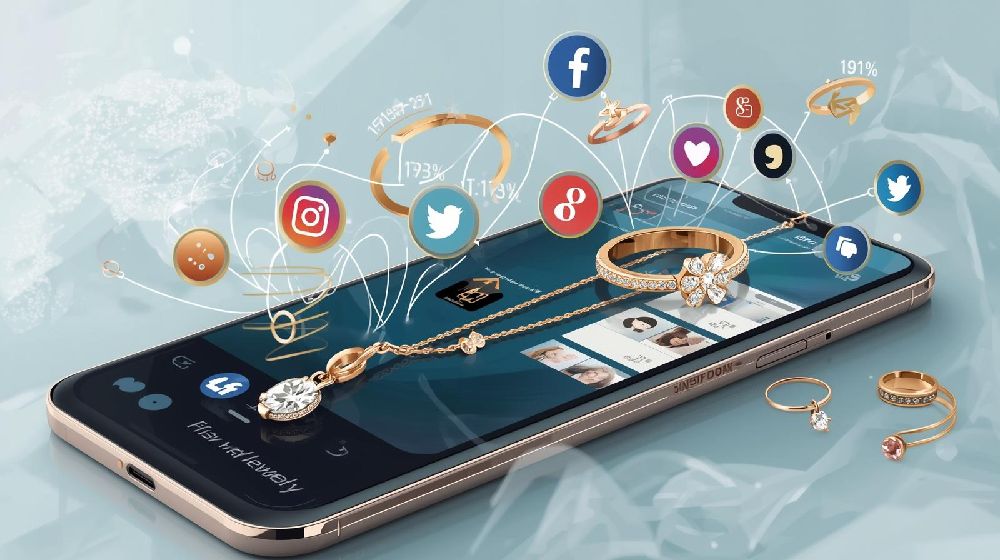
The jewelry industry has always been driven by emotion, storytelling, and visual appeal. In today’s digital-first world, social media has become the most powerful platform for jewelry brands to connect with consumers, influence buying decisions, and build lasting relationships. From Instagram reels to influencer collaborations, social media is redefining how jewelry is marketed and sold.
Visual Storytelling Takes Center Stage
Jewelry is inherently visual, making platforms like Instagram, Pinterest, and TikTok ideal for showcasing designs. High-quality images, slow-motion videos, and close-up shots highlight craftsmanship, shine, and detail in ways traditional advertising never could.
Brands now focus on:
-
Reels showing jewelry in motion
-
Behind-the-scenes manufacturing content
-
Macro shots that emphasize texture and finish
This visual storytelling builds trust and allows consumers to appreciate the artistry behind each piece.
Influencer and Creator Collaborations
Modern consumers trust people more than advertisements. Jewelry brands increasingly collaborate with fashion influencers, stylists, and content creators who align with their brand values. These partnerships help brands:
-
Reach niche audiences
-
Showcase real-life styling
-
Build authenticity and credibility
Micro-influencers, in particular, often deliver higher engagement and stronger consumer trust than celebrity endorsements.
From Discovery to Direct Purchase
Social media platforms now offer integrated shopping features, allowing users to discover, explore, and purchase jewelry without leaving the app. Features like:
-
Instagram Shopping
-
Facebook Marketplace
-
Pinterest Product Pins
have shortened the buyer journey, making impulse and emotional purchases easier than ever.
Education Builds Confidence
Buying jewelry, especially gold, is a high-consideration decision. Brands that educate their audience through social media gain a competitive edge. Educational content includes:
-
Explaining gold purity and karat values
-
Demonstrating craftsmanship techniques
-
Sharing care tips and durability insights
This builds confidence and positions the brand as a trusted expert, not just a seller.
Personalization and Community Engagement
Social media allows two-way communication. Jewelry brands can now:
-
Respond directly to customer queries
-
Use polls and Q&A features
-
Showcase user-generated content
Featuring real customers wearing the jewelry builds community and emotional connection, turning buyers into brand advocates.
Data-Driven Marketing and Trends
Social media analytics provide insights into customer preferences, trending designs, and engagement patterns. Brands use this data to:
-
Refine collections
-
Launch trend-led designs
-
Optimize ad campaigns
This ensures marketing strategies stay relevant and customer-focused.
Conclusion
Social media has transformed jewelry marketing from static advertising into dynamic storytelling and direct engagement. By combining visual appeal, education, influencer trust, and seamless shopping experiences, jewelry brands can connect with modern consumers more meaningfully than ever before. In a competitive market, social media isn’t just a marketing tool—it’s the foundation of modern jewelry branding.