

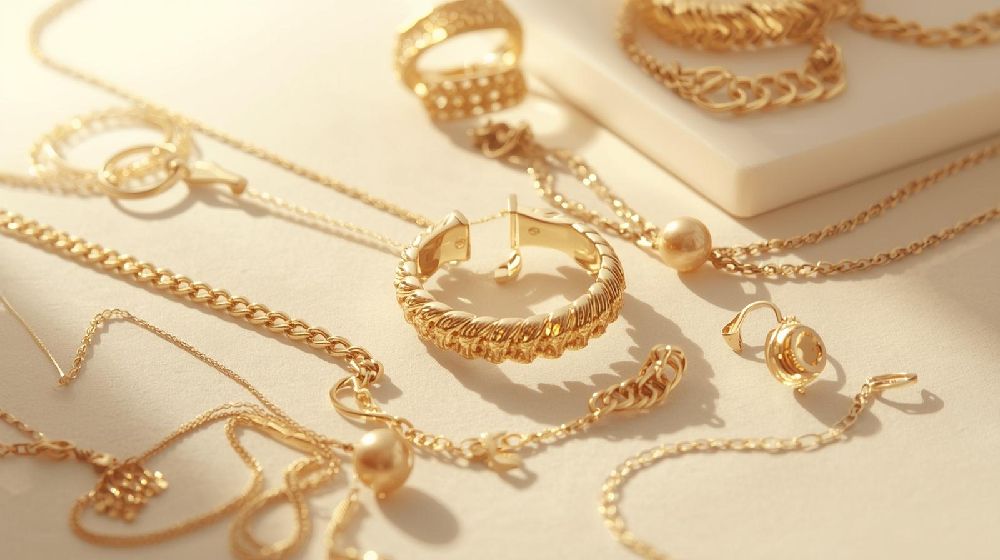
Fashion and jewelry have always moved in harmony, but in today’s fast-paced digital world, their relationship is more dynamic than ever. Jewelry is no longer marketed as a standalone luxury—it is positioned as a style statement shaped by fashion trends, consumer behavior, and cultural shifts. At the intersection of fashion and jewelry marketing lies a powerful opportunity to connect design with desire.
Fashion Trends as a Design Catalyst
Fashion trends heavily influence jewelry aesthetics. From minimalist silhouettes to bold, oversized designs, what dominates runways and street style often inspires jewelry collections. Marketing strategies now highlight how jewelry complements seasonal fashion—whether it’s layering chains with casual wear or pairing statement bangles with festive ensembles.
By aligning collections with fashion movements, brands stay relevant and visually compelling.
Storytelling Through Style
Modern jewelry marketing goes beyond product features—it tells stories. Jewelry is showcased as part of a complete look, reflecting mood, lifestyle, and identity. Campaigns often draw inspiration from fashion editorials, blending apparel, accessories, and jewelry into cohesive narratives.
This storytelling approach helps customers visualize jewelry as an essential part of their everyday fashion choices.
The Power of Visual Marketing
Fashion trends thrive on visuals, and jewelry marketing has embraced this fully. High-quality imagery, video reels, runway-inspired shoots, and social media content play a vital role in capturing attention. Styling jewelry with trending outfits helps brands communicate versatility and trend relevance instantly.
Platforms like Instagram, Pinterest, and short-form video channels have become key drivers of jewelry discovery.
Influencers and Trend Adoption
Fashion influencers play a major role in shaping consumer preferences. Jewelry brands collaborate with stylists, creators, and fashion icons to position pieces within real-world trends. When jewelry appears naturally styled in everyday fashion content, it feels aspirational yet accessible.
This organic integration builds trust and accelerates trend adoption.
Data-Driven Trend Forecasting
Today’s jewelry marketing blends creativity with data. Brands analyze fashion forecasts, consumer behavior, and social media trends to design and promote collections that resonate with their audience. This data-driven approach ensures that marketing efforts align with evolving tastes rather than outdated assumptions.
Personalization Meets Fashion
Fashion trends increasingly celebrate individuality, and jewelry marketing reflects this shift. Customization, layering, and mix-and-match campaigns empower customers to express their personal style while staying on trend. Jewelry becomes a tool for self-expression rather than a fixed statement.
Bridging Tradition and Trend
One of the unique strengths of jewelry marketing is its ability to blend timeless craftsmanship with modern fashion. Brands highlight heritage techniques while presenting them through contemporary styling—creating a bridge between tradition and trend.
Final Thoughts
The intersection of fashion trends and jewelry marketing is where creativity meets strategy. By understanding fashion movements, embracing visual storytelling, and leveraging digital platforms, jewelry brands can position their collections as both stylish and relevant.
In today’s market, successful jewelry marketing doesn’t just sell pieces—it inspires style, reflects culture, and evolves with fashion itself.