

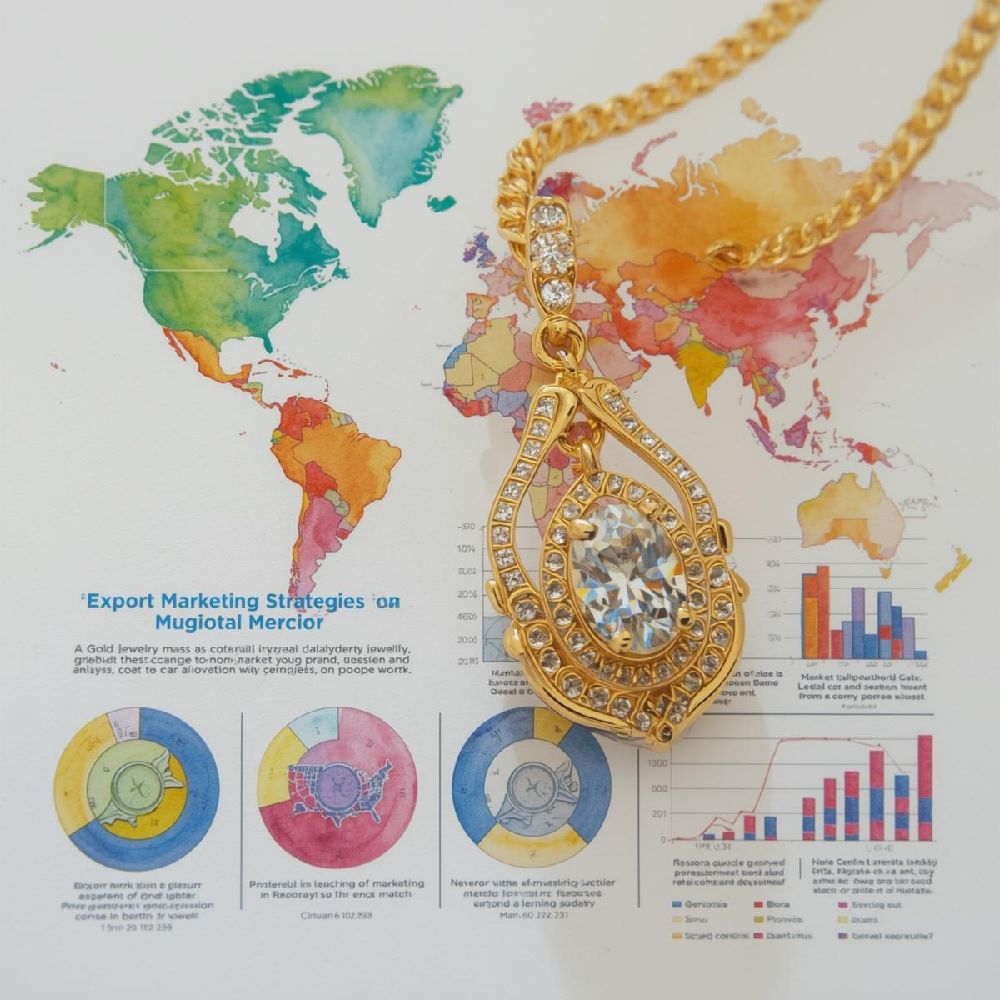
The global appetite for gold jewelry continues to grow, driven by evolving fashion trends, cultural significance, and rising disposable incomes across regions. For gold jewelry brands, expanding beyond domestic borders is no longer just an opportunity—it is a strategic necessity. However, entering international markets requires more than exceptional craftsmanship; it demands a well-planned export marketing strategy that balances compliance, branding, pricing, and trust.
Understanding Global Market Diversity
Every international market has its own preferences, regulations, and buying behavior. Middle Eastern buyers often favor heavier, ornate gold jewelry, while European and East Asian markets lean toward minimal, lightweight, and contemporary designs. Successful export strategies begin with deep market research—understanding cultural aesthetics, gold purity preferences (18K vs 22K), consumption patterns, and price sensitivity.
Adapting designs without diluting brand identity allows jewelry exporters to resonate with local audiences while maintaining global consistency.
Building Trust Through Certifications and Compliance
Trust is the foundation of international trade, especially in precious metals. Global buyers look for brands that adhere to international quality standards such as hallmarking, ISO certifications, responsible sourcing, and ethical manufacturing practices. Transparent documentation, consistent quality control, and traceable supply chains significantly enhance credibility.
For export-focused jewelry brands, showcasing compliance is not just a legal requirement—it is a powerful marketing asset.
Strategic Product Positioning
Export success depends on positioning the right product for the right market. Minimal gold jewelry, CNC-crafted bangles, laser-finished couple bands, and lightweight daily-wear collections perform exceptionally well in global markets due to ease of wear, modern appeal, and logistical efficiency.
Offering modular collections—where designs can be customized for weight, finish, or size—helps brands cater to diverse retailers and distributors worldwide.
Pricing with Precision
Global pricing strategies must account for gold rate fluctuations, import duties, logistics, currency exchange, and local competition. Transparent and competitive pricing builds long-term partnerships with international buyers. Many successful exporters adopt flexible pricing models, offering volume-based incentives or region-specific collections to balance margins with market penetration.
Leveraging Digital Presence for Global Reach
In today’s interconnected world, digital platforms are critical export marketing tools. A professionally designed website, virtual catalogs, high-quality product videos, and social media storytelling help global buyers experience the brand remotely. Platforms like LinkedIn, B2B marketplaces, and international trade portals enable brands to connect directly with wholesalers, distributors, and retailers.
Strong digital branding communicates reliability, scale, and innovation—qualities international partners actively seek.
Participating in International Trade Shows
Global jewelry exhibitions and trade fairs remain invaluable for export marketing. They provide direct access to buyers, trend insights, and competitor analysis. Participation reinforces brand visibility and signals seriousness in international expansion. Well-curated booths, clear brand messaging, and follow-up strategies turn exhibitions into long-term business opportunities.
Building Strong Distribution Partnerships
Rather than focusing only on end consumers, export success often lies in nurturing relationships with trusted distributors, retailers, and agents. Clear agreements, consistent supply, marketing support, and after-sales service strengthen partnerships and ensure brand longevity in foreign markets.
Balancing Scale with Craftsmanship
While global markets demand volume and consistency, the essence of gold jewelry lies in craftsmanship. Brands that successfully merge mass production techniques like CNC and laser technology with hand-finishing achieve both scalability and soul. This balance appeals strongly to international buyers who seek efficiency without compromising artistry.
Conclusion
Exporting gold jewelry is a journey that blends art, strategy, and adaptability. Brands that invest in understanding global markets, uphold uncompromising quality standards, embrace digital tools, and balance modern manufacturing with traditional craftsmanship position themselves for sustainable international growth. In a world that values both heritage and innovation, the right export marketing strategy transforms a local jewelry brand into a global gold standard.