

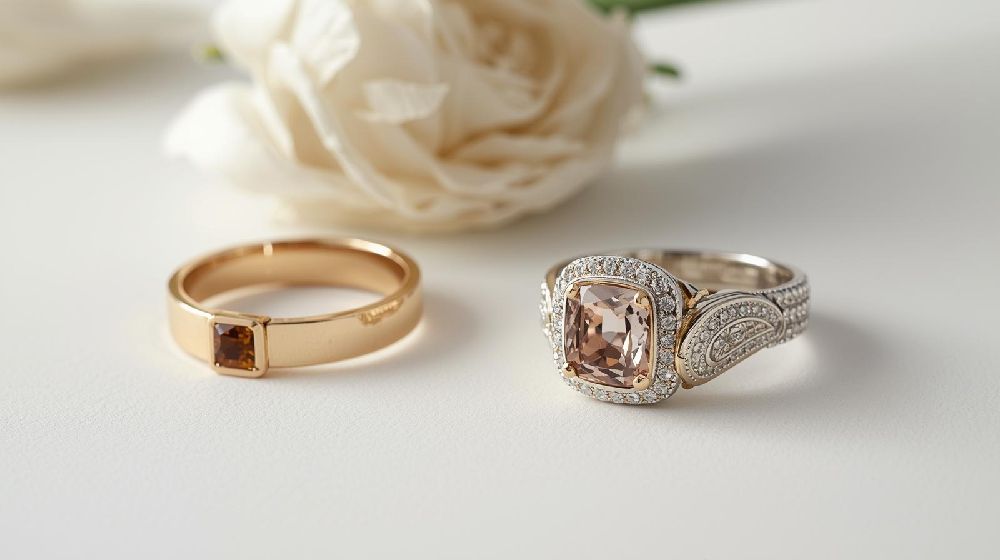
In today’s global market, consumers are looking for more than just luxury—they want authenticity, ethical sourcing, and cultural meaning in the products they buy. For jewelry brands, this presents both a challenge and an opportunity: how to market pieces that not only dazzle aesthetically but also honor the artisans, traditions, and ethical practices behind them.
Highlighting Artisanal Heritage
Jewelry often carries stories of culture, heritage, and craftsmanship. Brands that highlight artisan techniques—such as hand-engraving, filigree work, or traditional casting—create a deeper connection with consumers. Marketing should emphasize:
-
The history and cultural significance of each design
-
The skills and techniques passed down through generations
-
The unique touch of human craftsmanship that machines cannot replicate
This storytelling transforms jewelry into a meaningful artifact, not just a decorative item.
Ethical Sourcing and Transparency
Modern consumers are increasingly conscious of ethical practices, from conflict-free gold to responsibly sourced gemstones. Marketing jewelry ethically involves:
-
Showcasing sourcing standards and certifications
-
Explaining responsible labor practices in manufacturing
-
Communicating the brand’s commitment to environmental sustainability
Transparency fosters trust, loyalty, and a premium perception that goes beyond material value.
Using Digital Platforms for Storytelling
Digital marketing allows brands to bring artisan stories to life. Social media, websites, and video content can:
-
Highlight behind-the-scenes craftsmanship
-
Share interviews with artisans
-
Showcase step-by-step creation of a piece
Consumers feel a personal connection when they understand the journey from raw material to finished jewelry, creating emotional resonance and driving desire.
Balancing Luxury with Purpose
Marketing culturally and ethically crafted jewelry is about positioning luxury with purpose. It is not just about elegance or price; it’s about values, sustainability, and authenticity. Limited editions, signature collections, or pieces celebrating cultural milestones enhance desirability while staying true to ethical principles.
Educating Consumers
Many buyers may not fully understand the value of ethical and cultural craftsmanship. Marketing should include:
-
Informative content explaining techniques
-
Stories of artisans and communities impacted
-
Comparisons between handcrafted vs. mass-produced items
Educated consumers are more likely to appreciate the intrinsic and emotional value of the jewelry, and to invest in it responsibly.
Conclusion
Jewelry that honors cultural and ethical craftsmanship is not just a product—it is a story, a legacy, and a statement of values. Successful marketing combines aesthetics with authenticity, transparency, and storytelling. By highlighting artisanship, sustainability, and cultural significance, brands can build trust, emotional connection, and lasting desirability in today’s discerning global market.