
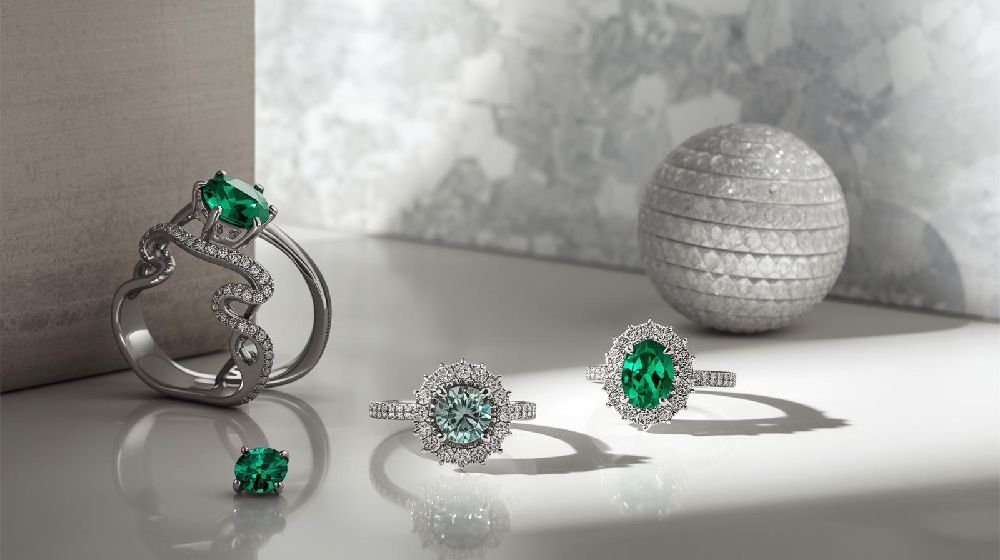
The global jewelry industry is experiencing a fundamental shift. Consumers are no longer driven solely by beauty and status—they now seek ethics, transparency, and sustainability. At the heart of this transformation is the rapid rise of ethical sourcing and lab-grown jewelry, redefining how jewelry is produced, positioned, and marketed.
While this shift presents exciting opportunities, it also introduces new challenges for brands navigating evolving consumer expectations.
Understanding Ethical and Lab-Grown Jewelry
Ethical jewelry focuses on responsible sourcing, fair labor practices, environmental care, and traceable supply chains. Lab-grown jewelry—particularly diamonds and gemstones—offers a technologically advanced alternative, created under controlled conditions that replicate natural formation without mining-related impacts.
Together, these categories appeal strongly to modern consumers who value conscious luxury.
Why Consumer Demand Is Growing
Several forces are driving this rise:
-
Increased awareness of environmental and social issues
-
Demand for transparency and traceability
-
Younger consumers prioritizing values over tradition
-
Technological advancements improving quality and affordability
Lab-grown diamonds today match mined diamonds in chemical, physical, and optical properties, making them a credible and attractive option.
Key Marketing Challenges
1. Overcoming Perception Barriers
One of the biggest challenges is addressing the belief that lab-grown jewelry lacks authenticity or long-term value. Many consumers still associate rarity with prestige, requiring brands to educate rather than simply sell.
2. Differentiation in a Crowded Market
As more brands enter the ethical and lab-grown segment, standing out becomes difficult. Without clear storytelling and brand identity, products risk becoming commoditized.
3. Balancing Tradition and Innovation
Established jewelry brands must carefully integrate ethical and lab-grown offerings without alienating customers who value heritage, craftsmanship, and natural materials.
4. Pricing Communication
While lab-grown jewelry is generally more affordable, communicating price differences transparently—without devaluing the product—remains a delicate task.
Emerging Marketing Opportunities
1. Purpose-Driven Storytelling
Ethical jewelry allows brands to tell powerful stories about sustainability, fair practices, and innovation. Consumers connect deeply with brands that communicate purpose, not just product features.
2. Transparency as a Brand Asset
Clear disclosures about sourcing, production methods, and certifications build trust. Transparency is no longer a compliance requirement—it’s a competitive advantage.
3. Appeal to Younger, Global Audiences
Millennials and Gen Z buyers are shaping the future of luxury. Ethical and lab-grown jewelry aligns naturally with their values, opening new global markets and digital-first sales channels.
4. Innovation-Led Positioning
Lab-grown jewelry represents science meeting artistry. Brands that highlight precision, technology, and controlled excellence can reposition jewelry as modern, intelligent luxury.
Digital-First Marketing Strategies
The ethical jewelry movement thrives online. Social media, brand websites, and content marketing play a crucial role in education and engagement. High-quality visuals, behind-the-scenes manufacturing insights, and sustainability reports help build credibility and emotional connection.
The Future of Ethical Jewelry Marketing
As regulations tighten and consumer awareness grows, ethical and lab-grown jewelry will move from niche to mainstream. Brands that proactively invest in ethical practices and communicate them authentically will lead the industry’s next chapter.
Marketing success will depend not on loud claims, but on consistent actions, honest storytelling, and long-term trust-building.
Conclusion
The rise of ethical and lab-grown jewelry marks a turning point for the industry. While marketing challenges exist—from perception gaps to differentiation—the opportunities far outweigh them. Brands that embrace transparency, innovation, and purpose-driven communication are well-positioned to shape the future of responsible luxury.